2025年8月8日(金)、琴坂研究会の夏合宿を 石川県・金沢 で開催しました。今年の夏合宿は、海や山に向かう過去の合宿と趣を変え、加賀百万石の城下町 の歴史と文化に身を浸す行程としました。兼六園 や 金沢21世紀美術館 などを巡りながら、長い時間をかけて積み上げられてきた都市文化と、それを今日の市場と接続する現代美術の振る舞いを、ゼミ生それぞれの視点で受け止める一日となりました。
On Friday 8 August 2025, the IBER-Kotosaka summer seminar retreat was held in Kanazawa, Ishikawa. Departing from the sea-and-mountain pattern of recent camps, this year's summer trip moved through the former castle town of the Kaga domain. Walking Kenrokuen Garden and the 21st Century Museum of Contemporary Art of Kanazawa, the seminar spent the day reading the city as it is read locally — a long-accumulated urban culture, and a living contemporary-art practice that connects that culture back to today's market.
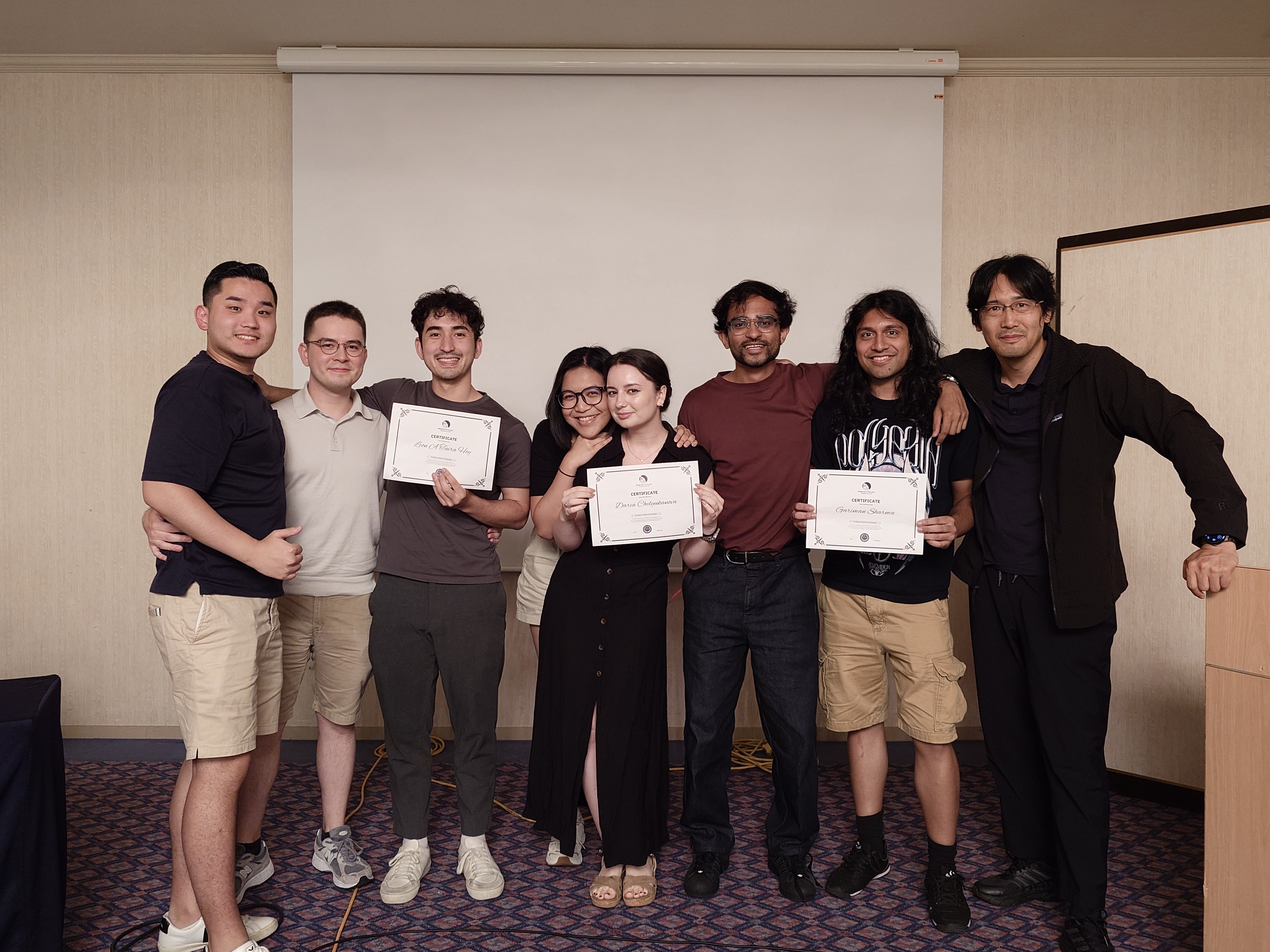
北陸新幹線で、金沢へ · A morning train to Kanazawa
朝の北陸新幹線で東京を出発し、午前のうちに金沢駅に到着しました。鼓門をくぐり、駅構内のもてなしドームを抜けたとき、街全体が湿度をたっぷり含んだ夏の空気で迎えてくれました。研究会のメンバーは、駅前で軽く合流したあと、市内の中心部へと足を向けました。事前に細かく行程を組みすぎず、「金沢という都市を、自分の足で歩いて読む」 ことを今回の合宿の中心軸に据えました。
The morning Hokuriku Shinkansen left Tokyo and pulled into Kanazawa Station before noon. Past the Tsuzumi Gate and the Motenashi Dome, the city greeted the seminar with the full humidity of a Hokuriku summer. After a light gathering in the station plaza, we set off toward the centre of town. The schedule had been kept deliberately loose: "reading the city of Kanazawa on foot" was the central axis of the day.
兼六園 — 17世紀から積み上げられてきた庭 · Kenrokuen — a garden built over four centuries
最初に向かったのは 兼六園 です。日本三名園の一つに数えられる加賀藩主前田家ゆかりの大名庭園で、17世紀後半から代を重ねて整えられてきました。中国の宋代の詩文に由来する「兼六」── 宏大、幽邃、人力、蒼古、水泉、眺望 ── という六つの相反する景観要素を一つの庭に同居させる、という極めて野心的な構想を形にしています。歩きながら景色が徐々に切り替わっていく様子は、「長期で構築した競争優位は、一朝一夕には模倣できない」 という、研究会で何度も扱ってきたテーマを、別の言語で見せてくれました。
The first stop was Kenrokuen, one of Japan's three great gardens, built over generations from the late 17th century by the Maeda lords of the Kaga domain. Its name — "the garden combining six attributes" — references a Song-dynasty Chinese text and signals an unusually ambitious design idea: putting six mutually opposing landscape qualities (spaciousness, seclusion, artifice, antiquity, water, views) into a single garden. Walking it, the view shifts steadily from one combination to another — a different language for a question the seminar has often returned to: "a competitive advantage built over the long arc cannot be copied overnight."
都市の中央部に、これだけの面積と完成度の庭園が、何世紀も前から存続している。しかも観光資源としての一面と、市民の日常的な散策路としての一面が同居している。この二面性は、現代の都市が抱える文化資源のあり方そのものでもありました。研究会のメンバーが、それぞれの興味の方向で写真を撮り、それぞれの足取りで小径を選んでいく姿は、合宿の自由度をそのまま映していました。
The fact that a garden of this size and finish has existed at the centre of the city for centuries, and that it operates simultaneously as a tourist asset and as a daily walking route for residents, is itself a study in how a contemporary city handles a cultural resource. Watching the seminar members fan out — each taking photographs of what they were drawn to, each picking different paths — was a fair image of the camp's looseness as well.
金沢21世紀美術館 — 公共空間としての現代美術 · The 21st Century Museum — contemporary art as public space
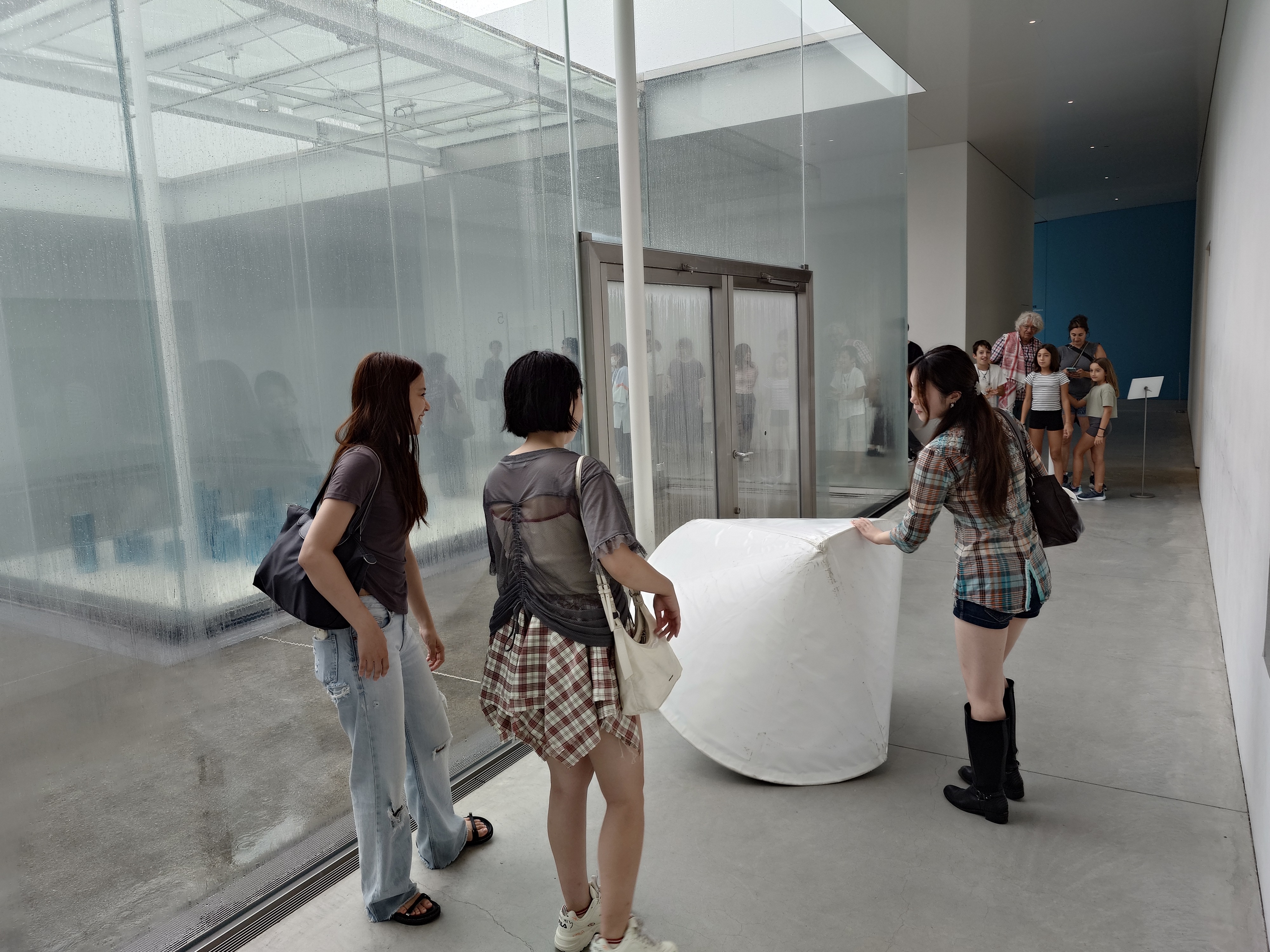
続いて訪れたのは、金沢21世紀美術館。2004年に開館し、設計は SANAA(妹島和世+西沢立衛)。円形ガラス張りの平面、四方どこからでも入れる動線、有料展示と無料の交流ゾーンが入り組む構成が特徴です。入館者数の推移、地元市民の利用率、海外からの来館者の構成。この美術館は、開館当時から「地方都市が、現代美術を通じてどう自らを国際的に位置づけるか」というテーマの実証実験のように見られてきました。20年あまりが経ち、その実証はおおむね成功した、というのが多くの評者の見立てです。
The next stop was the 21st Century Museum of Contemporary Art of Kanazawa, opened in 2004 and designed by SANAA (Kazuyo Sejima and Ryue Nishizawa). The building is a low circular glass plan, accessible from all four sides, weaving paid exhibition spaces with free public-access zones. Visitor numbers, local-resident usage rates, the share of international visitors — from its opening day, the museum has been observed almost as an empirical experiment in "how a regional city repositions itself internationally through contemporary art." Some twenty years on, most reviewers consider that experiment a success.
レアンドロ・エルリッヒの《スイミング・プール》や、館内外を歩きながら出会う恒久展示を含めて、現代美術というフォーマットが 「観光・教育・市民生活・経済」 の境目を意図的に曖昧にしていくことを、目で確認できる時間になりました。研究会の関心領域である経営戦略論の中でも、非市場戦略(公共政策・規制・制度設計をいかに戦略の射程に取り込むか)や、地域発のイノベーション のテーマと自然に重なる景色でした。研究テーマと合宿の景色が地続きでつながる、これも金沢という選択がもたらしてくれたものでした。
From Leandro Erlich's Swimming Pool to the permanent works one runs into while walking the inside-and-outside loop, the museum let us watch contemporary art deliberately blur the boundaries between "tourism, education, civic life, and the local economy." That landscape sits comfortably next to two themes the seminar has been returning to in recent years: non-market strategy (the question of how public policy, regulation and institutional design enter the strategic field of view) and innovation rooted in a specific place. Research interests and the day's landscape running on the same track — that was, in the end, what choosing Kanazawa offered.
城下町を歩いて、研究会へ持ち帰るもの · What the seminar brought home from the castle town
金沢では、ひがし茶屋街 や 主計町茶屋街 といった歴史的な街並みが、現代の店舗や生活と無理なく共存しています。第二次大戦の戦災を免れた都市ならではの、このレイヤーの厚さは、東京で暮らしているとなかなか体感できません。「都市の競争優位は、何世代もかけて築かれる」 ── 研究会で扱う経営戦略論の議論は、しばしば企業の話に焦点が当たりますが、金沢を歩くと、同じ論理が 都市そのもの にも当てはまることが、足の裏から伝わってきます。
In Kanazawa, the historical streetscapes of Higashi Chayagai and Kazuemachi Chayagai coexist with present-day shops and daily life without strain. That layered depth — born of a city that escaped wartime destruction — is hard to feel from inside Tokyo. "The competitive advantage of a city is built across generations." The seminar's strategic-management discussions tend to focus on firms, but walking Kanazawa makes the same logic apply, through the soles of one's feet, to the city itself.
夕方には、加賀の食材を活かした料理を皆で囲み、合宿としての一日を閉じました。海や山を中心とした例年の合宿に対して、今年は 「都市文化を歩いて読む」 形式を選んだことで、研究会のメンバーが日々向き合っている経営戦略論の議論を、別の角度から再起動する時間となりました。次の合宿でまた違う場所を選ぶときに、金沢の一日が比較対象として機能してくれるはずです。
The day closed around an evening table of Kaga ingredients. Compared with the recent sea-and-mountain camps, this year's choice — "reading urban culture on foot" — let the seminar's strategic-management conversations restart from a different angle. The next camp will pick a different place again, and Kanazawa will sit in the comparison set when it does.