On 6 June 2024, the IBER-Kotosaka B2 (English-track) seminar held a joint session with Yokogawa Electric Corporation at Yokogawa's own training facility. Our guests were Yokogawa's international executives, gathered from across the world, who were themselves working through a slate of topics set by Yokogawa's senior leadership as part of an internal leadership programme. A distinguished strategy and organisation scholar from the University of Oxford joined alongside them. In parallel, over the preceding two weeks, B2 students had been working on the same topics independently. The day itself was built around a simple question: what happens when two groups wrestling with the same problem — one from inside the company, one from outside — come together and compare their answers?
2024年6月6日、IBER-琴坂研究会 B2(英語ゼミ)は、横河電機との合同セッションを同社の研修施設にて開催しました。ご参加いただいたのは、横河電機の社内幹部育成プログラムの一環として、経営陣から与えられたトピック群に取り組まれている、世界各地から集まった国際経験豊かな経営幹部の方々です。加えて、戦略・組織論を専門とされるオックスフォード大学の著名な研究者にも同席いただきました。一方、B2の学生はこの直前の2週間、まったく同じトピック群について、独立に検討を進めていました。当日は、社内から取り組む側と、外側から取り組む側という、同じ問いに異なる立ち位置から挑む二つのグループが合流し、それぞれの答えを持ち寄ったときに何が見えてくるのか、というシンプルな問いを軸に構成しました。
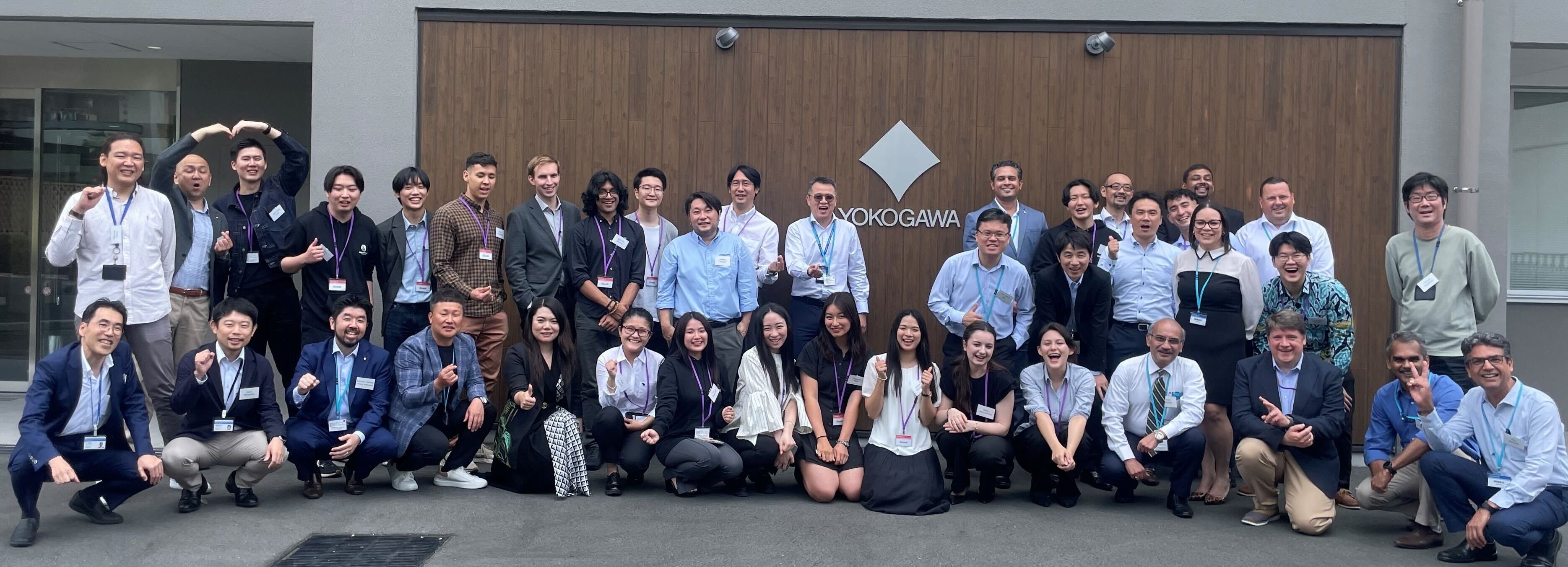
Parallel tracks, shared topic 同じテーマを並走する二つのトラック
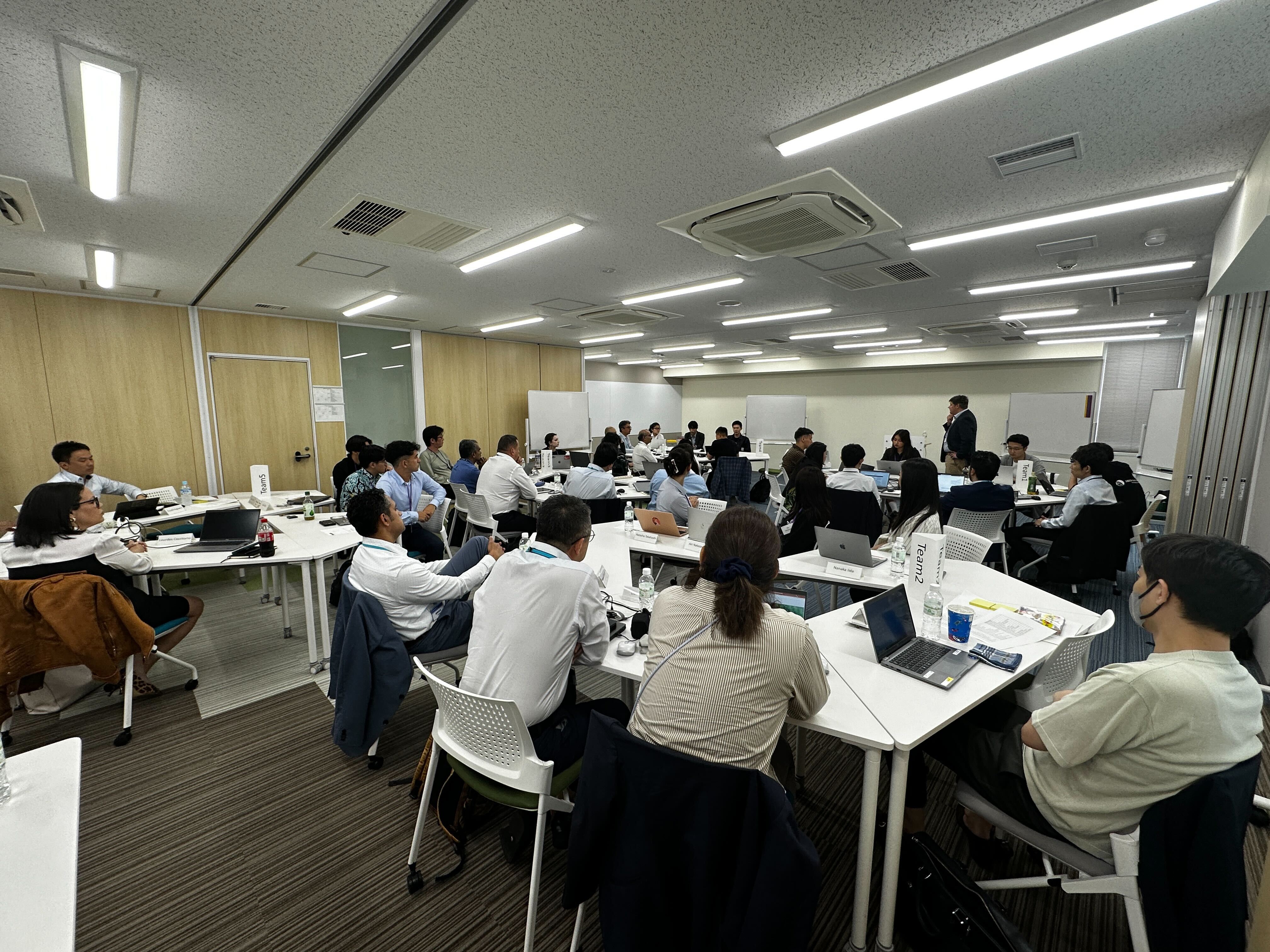
In a typical B2 joint session, only one side is in active preparation before the day itself: the partner company brings the brief, the students work through it for two to three weeks, a seminar-internal interim critique drives a second pass, and then the day is a full two-way debate between teams and the executives who own the question. What was distinctive about this Yokogawa edition was that both sides were in active preparation at the same time. Yokogawa's executives were working through the topics as part of their internal leadership programme; B2 was doing a two-week intensive on the same topics. When the day arrived, the room was divided neither by seniority nor by role, but by where each participant was standing when they looked at the problem.
B2の合同セッションでは、通常、準備段階で手を動かしているのは片側だけです。連携先から実在の課題を提示いただき、学生は2〜3週間ほど独自に取り組み、ゼミ内での中間発表を経て磨き上げ、当日、課題を抱える経営幹部の方々と双方向の議論に臨む、という形です。今回の横河電機とのセッションが特徴的だったのは、この準備段階そのものが双方向だった点にあります。横河電機の経営幹部の方々は社内幹部育成プログラムの一環として、B2の学生は2週間の集中検討として、事実上同じ作業を並行して進めていました。そのうえで当日、互いの成果を持ち寄ります。教室を分けていたのは肩書でも役割でもなく、その問題を誰がどこから見ているか、という立ち位置でした。
Why the format worked なぜこの構成が機能したか
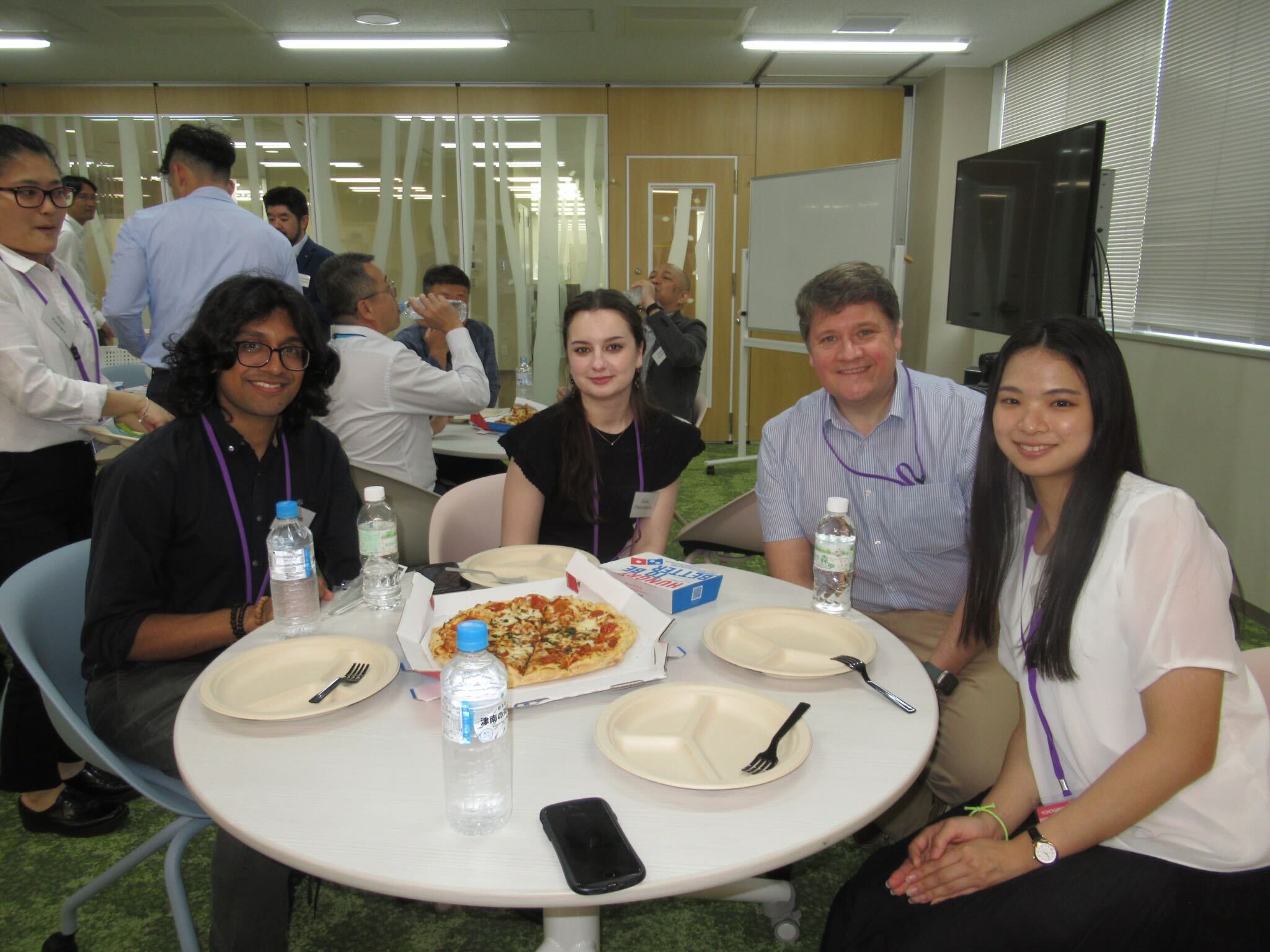
The result was a session in which both sides were pushed hard. Students were challenged by the operational weight the executives brought to their framing — the weight of having made decisions at that scale. The executives, in turn, were challenged by how freely the students were willing to ask basic questions that insiders tend, over time, to stop articulating out loud. Having the Oxford scholar in the room sharpened the exchange in both directions, and several of the day's sharpest questions came from each side.
結果として、双方に大きな刺激を与え合う場になりました。学生は、経営幹部の方々が自分たちの論立てに持ち込まれる現場の重みに強く問い直しを迫られました。そこには、その規模の意思決定に実際に関わってこられた方にしか持ち得ない重みがあります。経営幹部の方々のほうも、社内の人間であれば、ある時期を境に表には出さなくなる素朴な問いを、学生が臆することなく投げかける姿に強く触発されておられました。オックスフォードの研究者が同席されていたことは、この往復をさらに鋭くしました。この日もっとも質の高かった問いは、どの立場からも回避できない性質のものでした。
About Yokogawa 横河電機について
Yokogawa Electric Corporation is a Japanese industrial-automation, test-and-measurement, and software company, founded in 1915 and headquartered in Musashino, Tokyo. It operates in more than 60 countries and supplies control systems and measurement technology to the energy, chemicals, and manufacturing industries worldwide. A long-term engineering culture and a global business footprint make Yokogawa a natural match for a session that wanted to test student strategy work against an operating reality spanning continents.
横河電機株式会社は1915年創業、東京都武蔵野市に本社を置く、産業用オートメーション・試験計測・ソフトウェアを手がける日本を代表する技術企業です。60か国以上で事業を展開し、エネルギー・化学・製造業の各領域に、制御システムと計測技術を世界中に供給しています。長い時間軸で製品を磨き上げる技術者文化と、大陸をまたいで展開されるグローバル事業。その両面を併せ持つ横河電機は、学生の戦略提案を世界規模の事業の現実に照らして検証するセッションの相手として、きわめて自然な組み合わせでした。