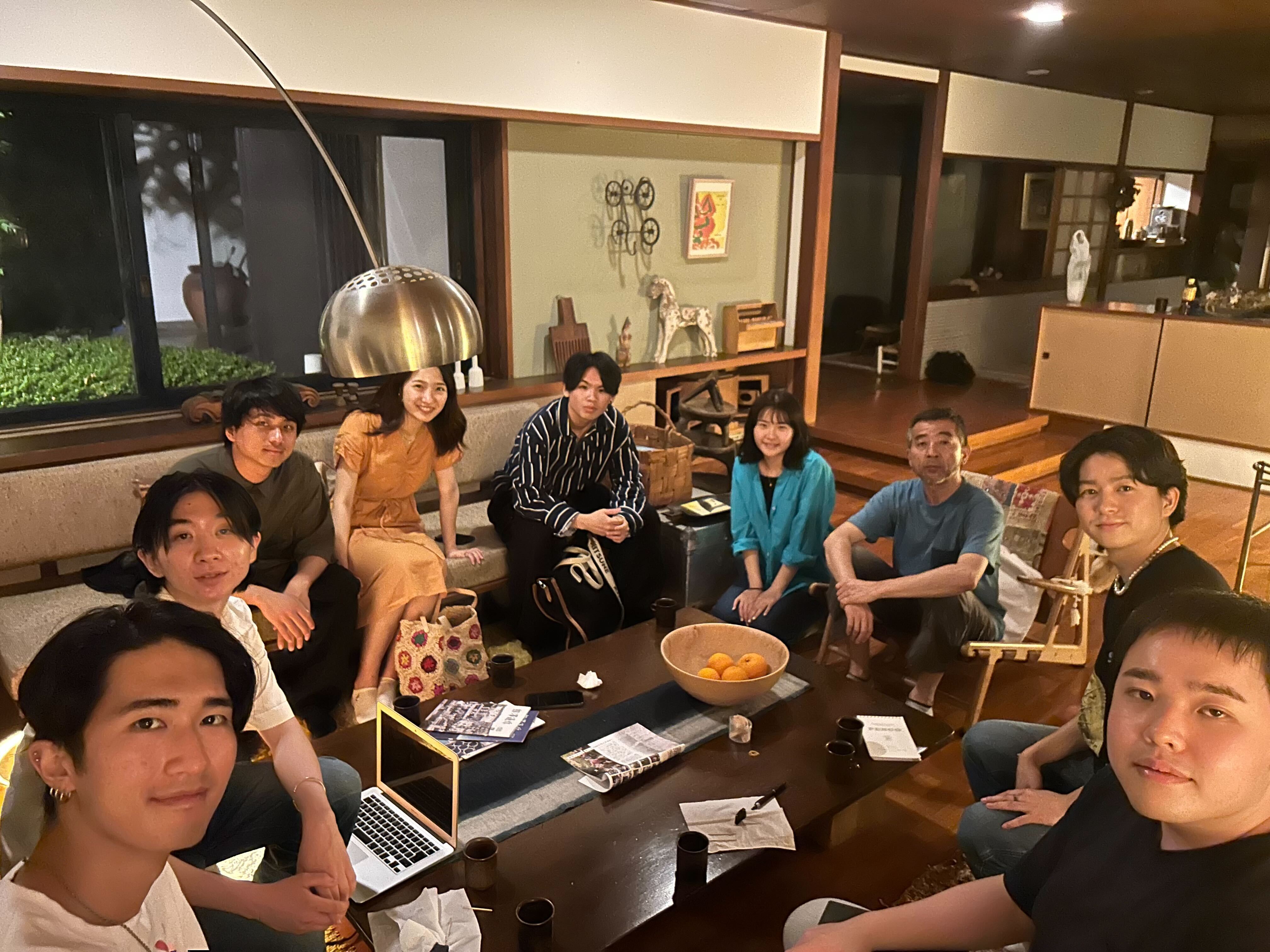
2023年6月26日(月)、琴坂研究会は、神奈川県茅ヶ崎市 の 熊澤酒造株式会社 を訪れ、現地ヒアリング・経営戦略セッション を開催しました。1872年(明治5年)創業、湘南唯一の蔵元として知られる老舗酒造を、研究会のメンバーが半日かけて現地で歩き、社長へのヒアリングと議論を重ねる、いわば 「キャンパスの外で行うフィールド型のセッション」 です。テーマは、熊澤酒造の競争優位の源泉である 「真実性のあるストーリー」 と、ブランド発信・熱烈なファンづくり をめぐる経営戦略でした。
On Monday 26 June 2023, the IBER-Kotosaka Lab visited Kumazawa Brewery Co., Ltd. in Chigasaki, Kanagawa, for an on-site visit and strategy session. Founded in 1872 (Meiji 5) and known as the only sake brewery on the Shōnan coast, Kumazawa was the kind of long-running brewery that rewards a half-day of walking on its grounds before any case discussion begins. This was, in effect, a "field-format seminar held off-campus." The themes were the source of Kumazawa's competitive advantage — its "authentic story" — and the open questions around brand communication and building deeply committed fans.
「会のプレ会」── 敷地を歩くことから始める · The "pre-session" — beginning by walking the grounds
このセッションは、社長ヒアリングという「議論の本番」の前に、研究会のメンバーが 敷地内をそのまま歩く ところから始まりました。熊澤酒造の敷地は、酒蔵としての機能だけでなく、敷地内に レストラン・カフェ・ベーカリー・地ビールの醸造設備 などが配置された、いわば一つの「複合空間」になっています。茅ヶ崎の住宅街のなかに、ふと別の時間軸で動く一区画が現れるような感覚です。
The session opened — before any "case discussion" with the CEO — by simply walking the grounds. Kumazawa's site is not only a brewery: it houses a restaurant, a café, a bakery, and a craft-beer brewery on the same plot, which collectively read as a single composite space. From inside a Chigasaki residential neighbourhood, one block opens onto what feels like a different time scale.
研究会のメンバーは、いきなり経営戦略の論点に入るのではなく、敷地内での食事の選択、店ごとの空間の質感、訪れる客層、提供されるプロダクトの構成、敷地の外周にある周辺地域との関係性、といった 具体物の観察 から入ることにしました。「現地で実際に何が起きているか」が、議論の出発点として手元にあるかどうかは、ヒアリングの質を大きく変えます。研究会としては、ケース資料を読み込んでから現地に行くのではなく、現地を読み込んでからヒアリングに入る 順序を、今回は意識的に採用しました。
Rather than launch into the strategic questions, the seminar started from the concrete observables: lunch choices on-site, the texture of each store's space, the mix of visitors, the product line-up, and the relationship between the grounds and the surrounding neighbourhood beyond the perimeter. Whether or not "what is actually happening on the ground" sits in the discussion's hand at the start changes the quality of the interview that follows. The seminar deliberately reversed the more usual order — instead of reading the case materials before the visit and then walking the site, we read the site first, and entered the interview after.
熊澤酒造というケース · Kumazawa as a case
熊澤酒造 は、1872年(明治5年)に創業し、150年を超える歴史を持つ蔵元です。湘南という地域における唯一の酒造として、清酒「天青」をはじめとした日本酒、地ビール「湘南ビール」、敷地内のレストラン群、ベーカリーなど、複数の事業を一体として運営しています。一般に、老舗の酒造業界は人口減少・酒類消費構造の変化・観光需要の波・原料コストといった構造的な変化のなかにあり、各社が 「酒だけを造って売る」モデル から、「地域とブランドを束ねた経験価値モデル」 へと事業のかたちを更新してきました。熊澤酒造は、その動きの中で かなり早い段階で立体的な事業群を組み上げた 蔵元の一つとして語られます。
Founded in 1872, Kumazawa Brewery is a 150-plus-year-old sake house. As the only brewery on the Shōnan coast, it runs sake (notably "Tensei"), the regional craft beer "Shōnan Beer," several on-site restaurants and a bakery, all as a single integrated operation. Long-running breweries in Japan face structural pressure — population decline, shifting alcohol-consumption patterns, swings in tourism, raw-material costs — and many have moved from a "brew and sell" model to a "region-and-brand experience" model. Kumazawa is often discussed as one of the breweries that assembled a multi-dimensional portfolio of this kind relatively early.
研究会としては、この「立体的な事業群」を、単なる多角化として読むのではなく、蔵元としての本質的な強み(伝統・職人性・地域との結びつき)が、複数の事業面に同時に滲み出ている構造 として読み解きたい、というのが今回の関心の置きどころでした。経営戦略論で言うところの 「資源ベース理論」 が示す視点を、現地の現物に対してどこまで具体的に当てはめられるか、というのが、この日の知的なチャレンジでした。
The seminar's analytic focus was not "diversification" as a label but rather the structure by which the brewery's essential strengths — tradition, craft, and the bond with the locality — diffuse simultaneously across several distinct businesses. The intellectual challenge of the day was to test how concretely the lens of resource-based theory from strategic-management research could be brought to bear on the specific material in front of us.
社長ヒアリング — 「真実性のあるストーリー」 · The CEO interview — the question of an "authentic story"
敷地を歩いたあとは、社長ヒアリングの時間です。研究会のメンバーが事前に整理してきた論点を順に伺いながら、議論は次第に 「熊澤酒造の競争優位の源泉は、結局どこにあるのか」 という問いに収束していきました。社長から繰り返し語られたキーワードの一つが、「真実性のあるストーリー」 でした。これは単に「物語をうまく作る」ということではなく、商品・空間・地域・職人の振る舞いそのものから、後付けではない物語が立ち上がる構造 をどう守り、どう伝えていくか、という意味だと、議論を通じて浮かび上がってきました。
After the walk through the grounds, the conversation moved to the CEO interview. As the seminar walked through its prepared questions, the discussion gradually converged on a single question: "where, in the end, does Kumazawa's competitive advantage come from?" One phrase the CEO returned to repeatedly was "an authentic story." What surfaced through the discussion was that this did not mean "tell a good story." It meant preserving and communicating the structure by which the story rises out of the products, the spaces, the locality, and the craftspeople's behaviour itself — not after the fact, but from the substrate.
同時に、ヒアリングの中で社長から提示された 経営課題 も、研究会の議論にとって重要な手がかりでした。具体的には、(i) ブランドの発信 をどのチャネルで、どの粒度で行うか、(ii) 熱烈なファン をいかに育て、世代を跨いで継いでいくか、(iii) 一度作ったブランドが、世代交代と共に薄まっていかないようにする 長期の仕組み をどう設計するか、といった論点です。これらは、研究会が日頃扱う経営戦略論の論点と、実務における未解決のテーマが、きれいに重なる種類の問いでした。
Equally important to the seminar were the open managerial questions the CEO put on the table: (i) brand communication — through which channels, and at what level of granularity; (ii) deeply committed fans — how to cultivate and pass them across generations; (iii) how to design the long-horizon structures that keep a brand from thinning as one generation hands it to the next. These are exactly the kind of questions that sit cleanly between the seminar's regular strategic-management agenda and unsolved problems in practice.
研究会としての論点 · The seminar's analytical takeaways
現地体験と社長ヒアリングを終えたあと、研究会のメンバーは、今後の提案に向けた論点を 4本 に整理しました。
After the on-site experience and the interview, the seminar organised its takeaways into four lines for the proposal phase that would follow.
- ① ブランド — 「天青」「湘南ビール」と、敷地全体としてのブランドの関係性をどう設計するか。製品ブランドと場ブランドが、相互に支え合う構造をどう保てるか。
- ② 組織 — 蔵元としての職人組織と、レストラン・ベーカリーなどの運営組織が、同じ屋根の下で共存する経営体制をどう設計し続けるか。
- ③ 発信 — 「真実性のあるストーリー」を、どの媒体で、誰が、どの深さで発信していくか。広告的な発信に振らないままで、認知の総量を伸ばす経路をどう作るか。
- ④ 顧客接点 — 一度来訪した顧客が「熱烈なファン」へと育っていく経路を、どの店舗、どの場面、どの体験で設計するか。リアルな来訪頻度と、距離が遠い顧客へのリーチをどう両立するか。
(i) Brand — how to design the relationship between product brands ("Tensei," "Shōnan Beer") and the umbrella brand of the site itself, so that they go on supporting each other. (ii) Organisation — how to keep designing a single management structure that sustains both the brewery's craft organisation and the very different operating organisations of the restaurants and bakery under the same roof. (iii) Communication — through which media, by whom, and at what depth, to communicate the "authentic story" without letting it tip over into advertising while still growing total awareness. (iv) Customer journey — through which stores, which moments, and which experiences a first-time visitor is led toward becoming a deeply committed fan, and how that on-site frequency is balanced with reach to more distant customers.
キャンパスの外で議論する意味 · Why hold the seminar off-campus
研究会は通常、SFCのキャンパス内で開催しますが、年に数回、こうした 現地型のセッション を意識的に組み込んでいます。理由はシンプルで、ある企業について議論するときに、「敷地に立った経験を持っているメンバー」 と 「資料だけで議論しているメンバー」 では、議論の解像度がそもそも異なるからです。とくに熊澤酒造のような、敷地と空間そのものが経営戦略の一部になっている企業の場合、その差は決定的に大きくなります。
The seminar normally convenes on the SFC campus, but several times a year we deliberately include field-format sessions. The reason is simple: when discussing a particular firm, the resolution of the conversation is meaningfully different between members who have stood on the grounds and members who have only worked from documents. For a firm like Kumazawa — where the grounds and the spatial design are themselves part of the strategy — the gap becomes decisive.
今回のセッションは、熊澤酒造の社長と、研究会のメンバー、そして敷地の空間そのものが同じ場面のなかにあったことで、ブランド・組織・発信・顧客接点という四つの論点を、頭のなかではなく目の前で同時に動かしながら議論する 機会となりました。次の段階の提案づくりに向けて、研究会のメンバー全員が、同じ「現地での実感」を起点に動けるようになった。それが、この日の最大の収穫でした。
With the CEO of Kumazawa, the seminar members, and the spatial fabric of the grounds all in the same frame, the day made it possible to work the four lines of brand, organisation, communication, and customer journey in front of us, rather than in our heads, all at once. Heading into the next phase of building proposals, every seminar member could now move from a single shared "felt sense of the site." That was the day's principal gain.