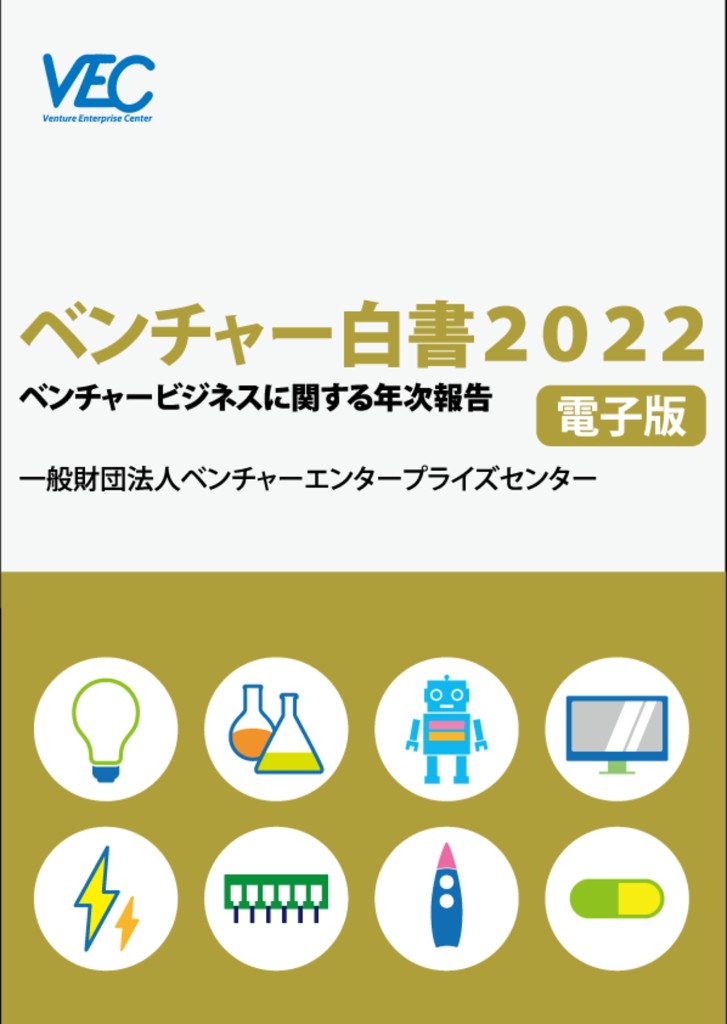
一般財団法人ベンチャーエンタープライズセンター(VEC)が編纂する『ベンチャー白書2022 ― ベンチャービジネスに関する年次報告』に、琴坂将広(慶應義塾大学総合政策学部 教授)と津覇悠野(当時 琴坂研究会 大学院生)の共著解説論文「事業転換(ピボット)にどう向き合い、どう活用すれば良いのか」が掲載されました(pp. I-115 – I-124)。本稿は、琴坂研究会の大学院生メンバーとの共同研究プロジェクトの成果であり、スタートアップ・新規事業の現場で日常的に発生する 事業転換(ピボット) という意思決定を、単なる「失敗のリカバリー」ではなく 戦略的な学習機会 として捉え直し、その活用論を整理した実務志向の解説論文です。
The 2022 edition of the VEC Venture Yearbook, edited by the Venture Enterprise Center, includes a co-authored chapter by Masahiro Kotosaka (Professor, Faculty of Policy Management, Keio University) and Yuya Tsuha (then a graduate-student member of the Kotosaka Seminar), titled "How to Confront and Leverage the Business Pivot" (pp. I-115 – I-124). The article is the output of a joint research project conducted with a graduate student of the seminar. It reframes the everyday practice of pivoting in startups and new-venture units — not as a recovery measure for failure, but as a strategic learning opportunity — and lays out a practitioner-oriented framework for using it deliberately.
論文の主旨 · Article overview
「ピボット」は、スタートアップ実務の世界では一般化した用語でありながら、学術研究と実務との間で 定義・前提・含意 に大きな乖離が残ってきた概念です。本稿は、リーン・スタートアップ(Lean Startup)系の規範論と、戦略論・組織学習論の先行研究を架橋し、ピボットを (i) 仮説検証の論理、(ii) 資源配分の論理、(iii) 組織アイデンティティの再定義の論理 という三つの軸で整理しました。さらに、近年の日本のスタートアップに見られる典型的な転換パターンを類型化し、起業家・投資家・支援者の三者がそれぞれの立場から取りうる行動指針を提示しています。
While "pivoting" has become standard vocabulary in the startup world, considerable gaps remain between practitioner usage and academic treatments in terms of definition, underlying assumptions, and implications. The article bridges the normative literature on Lean Startup with prior work in strategy and organisational learning, and reorganises the act of pivoting along three axes: (i) the logic of hypothesis testing, (ii) the logic of resource reallocation, and (iii) the logic of organisational identity redefinition. It then offers a typology of transition patterns commonly observed among Japanese startups in recent years, and proposes corresponding behavioural guidelines for founders, investors, and support actors.
本稿の含意 · Implications
解説では、ピボットを 「失敗の代償」から「戦略的選択肢」へと位置付け直す ことの重要性を強調し、ピボットを早期に発動できる組織の方が、結果として残存性・収益性ともに高い軌跡を辿りやすいことを論じています。同時に、安易なピボットが 創業チームの一貫性 や 資源コミットメントの信頼性 を毀損する危険にも言及し、外部からの支援者が「いつ・どのような対話で」ピボットを促すべきかという論点を整理しました。日本のスタートアップ・エコシステムに対して、戦略論的な視点からピボットの議論を提示する稀少な実務寄り解説の一つとして位置付けられます。
The article emphasises the importance of repositioning the pivot from "the cost of failure" to "a strategic option," arguing that ventures able to pivot earlier tend to follow more resilient and more profitable trajectories. It also flags the risks of indiscriminate pivots, which can erode the coherence of the founding team and undermine the credibility of resource commitments, and clarifies when and through what kind of dialogue external supporters should encourage a pivot. The chapter stands as one of the few practice-oriented commentaries that frame the discussion of pivoting within Japan's startup ecosystem from an explicitly strategic-management perspective.
共著者 · Co-authors
- 琴坂 将広(Masahiro Kotosaka)— 慶應義塾大学 総合政策学部 教授(筆頭著者・責任著者)
- 津覇 悠野(Yuya Tsuha)— 当時 琴坂研究会 大学院メンバー
本稿が掲載された『ベンチャー白書2022』は VEC の公式ページから案内されており、紙版(Amazon 等の各書店)と PDF 電子版(BASE)でご購入いただけます。