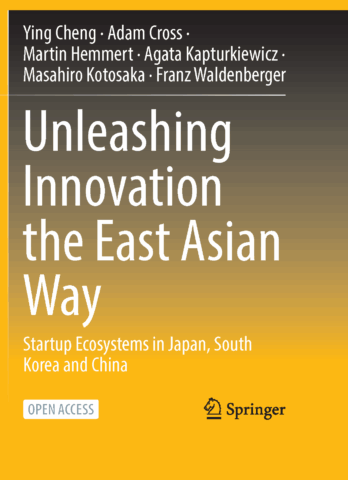
2026年5月29日(金)17:00〜20:00、独日研究所(DIJ Tokyo)にて、琴坂将広が共編著者として参画した Unleashing Innovation the East Asian Way: Startup Ecosystems in Japan, South Korea and China(Springer Nature Singapore, 2026年3月18日刊/Open Access)の 出版記念イベント(Book Launch) が開催されました。著者陣6名が登壇し、東アジア(日本・韓国・中国本土)のスタートアップ・エコシステムを比較分析する本書の枠組みを議論しました。
On Friday 29 May 2026, 17:00–20:00, the German Institute for Japanese Studies (DIJ Tokyo) hosted the Book Launch for Unleashing Innovation the East Asian Way: Startup Ecosystems in Japan, South Korea and China — co-edited by Masahiro Kotosaka and published Open Access by Springer Nature Singapore in March 2026. All six co-authors gathered to discuss the comparative startup-ecosystem framework that the volume develops.
本書は、長年にわたって世界のイノベーションと競争を牽引してきた東アジア3か国のスタートアップ・エコシステムを、それぞれの歴史的・国家的文脈に位置づけながら体系的に分析・比較するものです。執筆陣6名が10年以上にわたり進めてきた共同研究の成果を、これまで学術誌の枠内に留まっていた知見として、より広い読者層に届けるための一冊です。本イベントは、その問題意識と分析枠組みを著者陣自身の言葉で議論する機会となりました。
The book systematically analyses and compares the start-up ecosystems of Japan, South Korea, and Mainland China — long among the engines of global innovation and competition — while situating each within its own historical and national context. It distils more than a decade of joint research by the six authors into a single volume aimed at a readership well beyond the usual academic-journal audience. The event was an opportunity to hear the analytical framework discussed in the authors' own voices.
開催レポート(5月29日)· Event report (29 May)
2026年5月29日(金)夕刻、独日研究所(DIJ Tokyo)における本イベントは 盛況のうちに開催 されました。会場には研究者・実務家・大使館関係者など多様な参加者が集まり、Franz Waldenberger 所長による開会のあと、共編著者6名による章の概要紹介と パネル・ディスカッション が行われました。続くネットワーキング・レセプションも含め、東アジア3か国のスタートアップ・エコシステム の比較研究をめぐって活発な討議が交わされました。
The event was held to a full room on the evening of Friday 29 May 2026 at DIJ Tokyo, with a mixed audience of researchers, practitioners, and embassy staff. After the opening by Director Franz Waldenberger, the six co-editors introduced their chapters and joined a panel discussion, followed by a networking reception. The exchange across the room — on the comparative study of start-up ecosystems in Japan, South Korea, and Mainland China — was lively and substantive throughout.
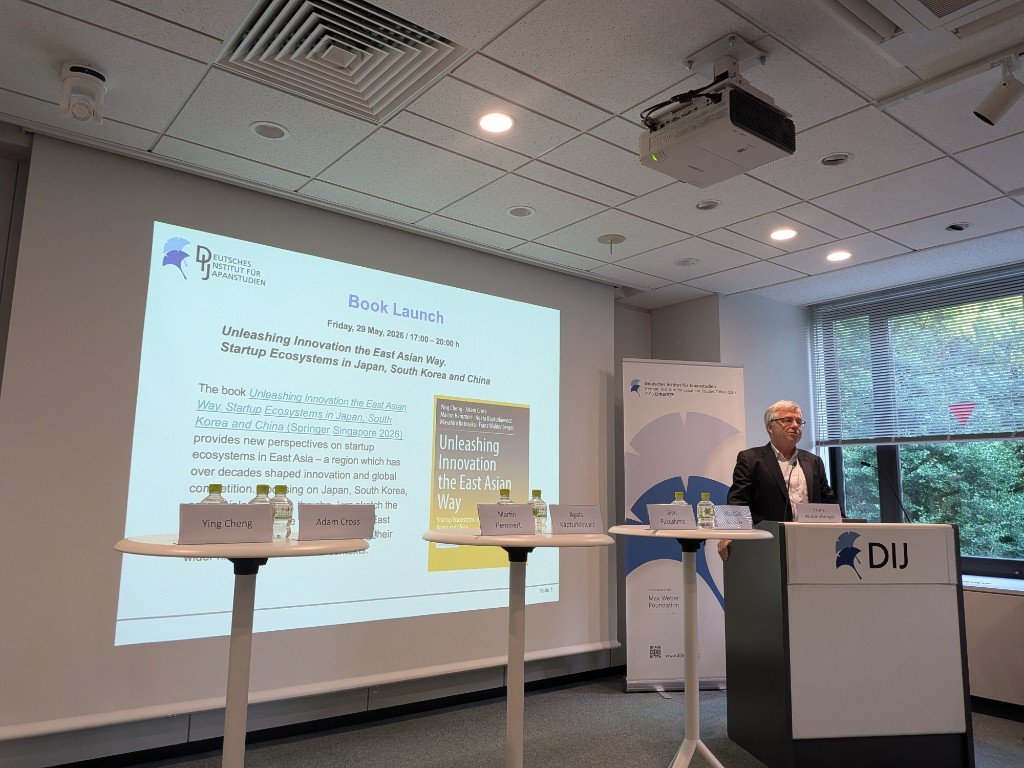
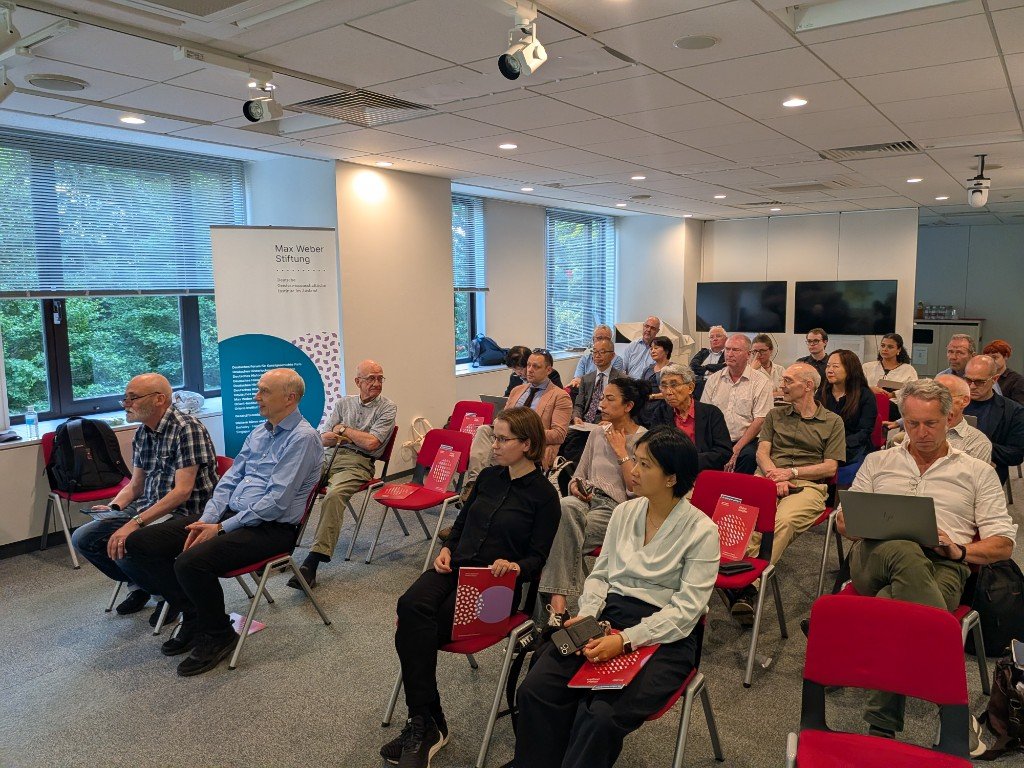
当日の議論では、3か国比較の方法論的な意義と限界、各国の 歴史的・制度的経路依存、政策・VC・起業家・大学の4要素の相互作用、そして起業家・投資家・政策担当者への 実務・政策示唆 まで、本書が射程に置いた論点が広く取り上げられました。今後、本書を起点に東アジアのイノベーション研究をどう発展させていくかについても、フロアを交えた示唆に富む議論が行われました。
The discussion ranged across the methodological case for — and the limits of — three-country comparison, the historical and institutional path-dependence distinctive to each country, the interactions among policy, venture capital, founders, and universities, and the practical and policy implications the book draws for founders, investors, and policymakers. The closing exchange with the floor turned to how to build on the volume in continuing to study innovation in East Asia.
本書の概要 · About the book
東アジアにおけるスタートアップ・エコシステムは、各国独自の制度的・産業的背景の中で発展してきました。本書はその多様性を「比較スタートアップ・エコシステム研究」の枠組みのもとに整理し、政策・ベンチャーキャピタル・起業家・教育研究機関といった主要要素を国別に対比することで、エコシステムの 共通点と差異 を浮き彫りにします。とりわけ、既存研究で見落とされがちな 国家形成・産業政策の経路依存性 に正面から向き合った分析が特長です。
Start-up ecosystems in East Asia have developed against the backdrop of each country's distinctive institutional and industrial setting. The book organises that diversity within a "comparative start-up-ecosystem research" framework, contrasting policy, venture capital, founders, and education and research institutions country by country, in order to bring the commonalities and differences across the region into sharp relief. A distinctive contribution is its serious treatment of the path-dependence of state-building and industrial policy — a dimension prior work tends to overlook.
各章は、二次資料のレビューに加えて、執筆陣が長年にわたって実施してきたインタビュー・ケーススタディ・サーベイなどの一次データを統合的に活用しています。最終章では、起業家・投資家・政策担当者に向けた 実務・政策示唆 が具体的に提示されており、研究者だけでなく実務家にも読み応えのある構成です。Open Access(CC BY 4.0) として刊行されているため、Springer Link から全章を無料で閲覧・ダウンロードいただけます。
Each chapter draws not only on secondary-source review but also on the primary data — interviews, case studies, surveys — that the authors have collected over many years, integrated into a single comparative narrative. The closing chapter offers concrete practical and policy implications for founders, investors, and policymakers, making the book useful well beyond the academic readership. Published Open Access (CC BY 4.0), all chapters are freely available for download from Springer Link.
プログラム · Programme
- 17:00 — Welcome and introduction · 開会・趣旨説明
- 17:10 — Introduction of the author team · 著者陣の紹介と各章の概要
- 17:40 — Discussion · パネル・ディスカッション
- 18:30 — Networking reception · ネットワーキング・レセプション
- 20:00 — End · 閉会
登壇者 · Authors and panellists
- Ying Cheng
- Adam Cross
- Martin Hemmert
- Agata Kapturkiewicz
- 琴坂 将広(Masahiro Kotosaka) — 慶應義塾大学 総合政策学部 教授/オックスフォード大学 サィードビジネススクール アソシエイトフェロー
- Franz Waldenberger — 独日研究所 所長 · Director, German Institute for Japanese Studies (DIJ)
本書は Open Access として Springer Link から全章を無料で閲覧・ダウンロードいただけます。
The book is Open Access: every chapter is freely available for download on Springer Link.